
Sharing economy, UAE edition
Your idle stuff can pay your DEWA bill
From a spare DSLR sitting in a Dubai Marina closet to a set of speakers used twice a year in Abu Dhabi, most UAE households own things that could quietly earn AED every month. This checklist walks you through what to rent out, how much to charge, and how to protect yourself before you list a single item.
Why now
The sharing economy grew up in the Gulf
Rentals used to mean cars and villas. That changed fast. UAE residents move often, upgrade phones and cameras every couple of years, and throw more events than most cities on earth. Meanwhile inflation has pushed retail prices up, and buying a AED 12,000 camera to use twice a year feels harder to justify. The sharing economy answers that question for both sides: renters get access without the sticker shock, and owners turn dead stock into cash flow.
The circular economy angle matters too. Every extra rental cycle keeps a product out of the landfill and stretches the value already embedded in its manufacture. That is a good story to tell customers, and increasingly the reason younger UAE renters prefer borrowing over buying.
What people in the UAE actually rent
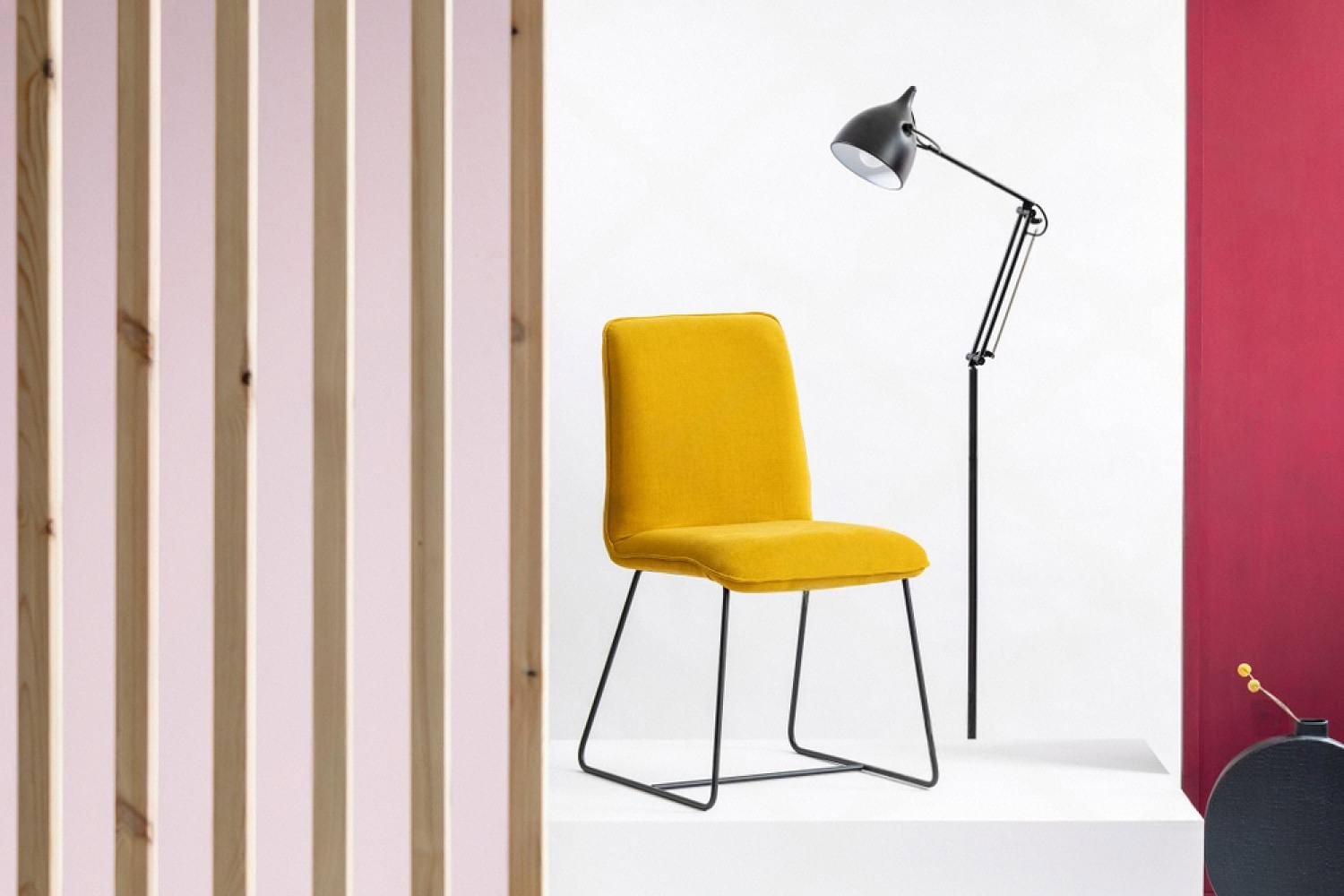
Furniture & decor
Sofas, dining sets, staging pieces for photoshoots and short-term apartments in JBR, Downtown and Yas Island.

Event & party gear
Speakers, uplights, chafing dishes, chairs, backdrops. Weddings and corporate events run all year here.
Cameras & drones
DSLRs, mirrorless bodies, lenses, gimbals, DJI drones. Content creators borrow rather than buy.
Power & construction tools
Drills, tile cutters, pressure washers, scaffolding. Villa owners in Al Barsha and Sharjah often need these for a weekend only.
Vehicles
Bicycles, e-scooters, jet skis, kayaks. Peer-to-peer car rentals require an RTA-registered platform.
Sports & outdoor
Paddleboards, camping tents for Ras Al Khaimah trips, ski gear for winter travellers, golf clubs.
The checklist
Seven things to verify before you list your first item
- Ownership proof. Keep the original invoice or box. Serious platforms and insurers will ask, especially for anything above AED 3,000.
- Condition photos. Shoot the item in daylight from four angles, plus close-ups of any scratch. This is your evidence if a renter disputes damage.
- Realistic pricing. Aim for roughly 3 to 8 percent of retail value per day for electronics, and 10 to 20 percent of retail per month for furniture.
- Security deposit. Never hand over anything valuable without a refundable deposit sitting on the platform or in your account.
- Identity verification. Confirm the renter’s Emirates ID and phone number. Reputable platforms handle this automatically.
- Insurance or damage cover. Check whether the platform includes it. If not, price it in or buy standalone cover for high-value gear.
- Written agreement. Even a WhatsApp confirmation of dates, price, deposit and condition is better than nothing. A signed PDF is better still.
- Delivery plan. Decide who transports the item. Furniture usually needs a pickup truck, camera kits can be handed over at a metro station.
Deep dive 1
Getting pricing right, without leaving money on the table
Pricing is where most first-time owners underperform. If you set your rate too low, you attract careless renters and burn out your gear for pocket change. Too high, and the listing sits idle. The trick is to offer three tiers that reward longer bookings.
A Sony A7 IV body that retails around AED 9,500 rents comfortably at AED 250 a day, AED 1,400 a week, or AED 3,800 a month in Dubai. A three-seater sofa bought for AED 4,000 typically rents between AED 700 and AED 1,100 per month depending on style and delivery. LED uplights that cost AED 300 each new can bring in AED 80 to AED 120 per unit per event. Luxury items, designer handbags, high-end watches, projectors for private cinema nights, sit in a niche of their own and command 5 to 10 percent of retail value per day.
Layer seasonal pricing on top. Rates climb during UAE National Day week, the Dubai wedding season from October to March, GITEX, and school holidays. Drop them a little through the peak summer months of July and August to keep utilisation up.
Deep dive 2
Protecting yourself the boring way that actually works
The single biggest reason side incomes fail is one bad renter. A cracked lens, a stained sofa, a speaker returned three days late during a paid booking. Protection is not paranoia, it is the difference between a business and a hobby.
Start with a short rental agreement covering rental period, daily late fee, damage liability, and what counts as normal wear. Take a deposit that matches worst-case repair, not just cosmetic damage: for a AED 6,000 lens, a AED 1,500 deposit is honest. Photograph the item with the renter present at handover and again at return. For items above AED 5,000, look at standalone product insurance from local providers, or use a platform that bundles it in. Verify the renter’s Emirates ID against the face in front of you, and never release goods to someone who refuses that step.
One more habit that pays off: keep a simple spreadsheet of every booking with dates, price, deposit status and any incident. When something goes wrong, that record is what protects you in front of a platform’s dispute team or, in rare cases, a small claim.
Realistic monthly earnings by category
| Category | Typical retail value | Daily rate | Monthly income at 40% utilisation |
|---|---|---|---|
| DSLR / mirrorless camera kit | AED 8,000, 15,000 | AED 200, 350 | AED 2,400, 4,200 |
| Three-seater sofa | AED 4,000, 8,000 | Monthly only | AED 700, 1,200 |
| Event lighting set (6 uplights) | AED 2,500 | AED 400, 600 per event | AED 1,600, 2,400 |
| Portable speaker + mic | AED 3,500 | AED 150, 250 | AED 1,800, 3,000 |
| DJI drone (Mavic class) | AED 5,500 | AED 200, 300 | AED 2,400, 3,600 |
| Power tools bundle | AED 2,000 | AED 80, 120 | AED 960, 1,440 |
| Designer handbag | AED 15,000+ | AED 300, 700 | AED 3,600, 8,400 |
Figures are indicative ranges based on public listings across UAE peer-to-peer rental platforms in 2024. Actual results vary with location, condition and marketing effort.
The five steps from empty spreadsheet to first payout
- Pick a platform. UAE-focused options include RentUp, Rentbot, and general marketplaces like Melltoo and Dubizzle for longer listings. For weddings and corporate gigs, specialised event rental companies and their marketplaces attract higher-ticket bookings than general apps. Register with your Emirates ID and a UAE bank account.
- Upload your products. One clean hero photo, three detail shots, and a description that lists brand, model, included accessories and any limitations. Missing accessories are the number one cause of disputes.
- Set pricing tiers. Daily, weekly and monthly, with the weekly rate roughly 5x the daily and monthly around 15, 18x. Add a small delivery fee if you plan to drop off in person.
- Configure security deposits. Match the deposit to realistic repair cost, not full replacement, or you will scare off good renters.
- Decide delivery options. Self-pickup keeps things simple. For furniture, list a delivery add-on and quote it per emirate. Careem and local movers handle one-off runs cheaply.
Every household in the UAE has at least AED 20,000 of gear sitting idle. The question is whether you want it to keep depreciating in a cupboard or start paying you back.
A few numbers worth knowing
The UAE’s e-commerce market has grown at double-digit rates for several years, and rental platforms have ridden that same wave. Global surveys from PwC and Statista have repeatedly shown that consumers under 35 in Gulf cities are more open to renting durable goods than owning them, especially expensive electronics and one-time-use event items. What that means for you as a first-time host is straightforward: demand is not the problem, supply is still catching up. If you list clean, honest inventory at fair prices, bookings arrive.
Frequently asked questions
Do I need a trade licence to rent out personal items in the UAE?
For casual peer-to-peer renting through registered platforms, most residents do not need a trade licence, the platform operates under its own commercial permit. Once you start renting professionally, holding dedicated inventory, marketing yourself as a business, or exceeding a modest income threshold, you should register a sole establishment or free zone licence. When in doubt, consult a Department of Economic Development office in your emirate.
How do I get paid, and are earnings taxed?
Platforms typically pay to your UAE bank account within 3 to 7 days of the rental ending, after deducting their commission (usually 10 to 25 percent). The UAE has no personal income tax on rental earnings from private assets. If you scale into a registered business, corporate tax rules from 2023 onward may apply above the AED 375,000 profit threshold, so keep clean records from day one.
What happens if a renter damages or steals my item?
Your first line of defence is the platform’s security deposit, which is held before handover and released only after you confirm the item’s condition on return. Reputable platforms also run a dispute process where you submit photos, invoices and the signed rental agreement. For items above AED 5,000 in value, add standalone product insurance. In a genuine theft, file a police report immediately, that report is required by most insurers and platforms.
Which items give the best return on effort in the UAE?
Two categories consistently outperform. First, camera and drone kits, because content creators book them repeatedly and the daily rates are healthy. Second, event equipment such as speakers, lights and chafing dishes, because the UAE hosts a huge volume of weddings, brand activations and private parties, especially from October to March. Furniture generates more stable but lower monthly returns.
How much time does managing rentals actually take?
Expect 3 to 6 hours a week if you have five to ten active listings. That covers messaging renters, cleaning and checking items between bookings, handling deliveries and updating photos. Once you standardise your process (template agreement, saved replies, a checklist for handover), the time drops. Many UAE hosts eventually outsource delivery to a courier and cleaning to a helper, keeping only the customer-facing decisions.
Can I rent out items from a rented apartment?
Yes, the items belong to you, not the landlord, so renting them out is fine. What you should avoid is running visible business operations from a residential tenancy, storing large amounts of inventory, having customers ring your doorbell daily, or receiving delivery trucks that upset the building. Meet renters outside the building or at a nearby cafe and most issues disappear.

Skier, feminist, music blogger, Bauhaus fan and proud pixelpusher. Acting at the fulcrum of beauty and purpose to craft experiences that go beyond design. German award-winning designer raised in Austria & currently living in New York City.